


Black Swordsman:Dual Blades
4.7100.00 Reviews
App Specs
- Version
- 4.8
- Updated On
- License
- Free
- Downloads
- 50,000+
- Developer
- FunGameHub
- Categories
- Role Playing
- Platform
- Android
Screenshots
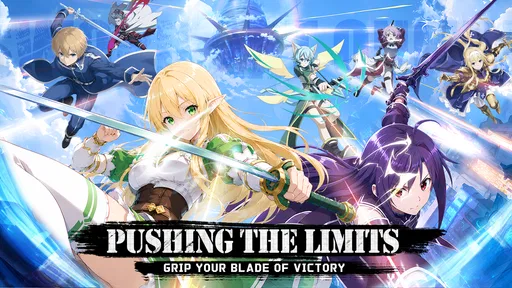
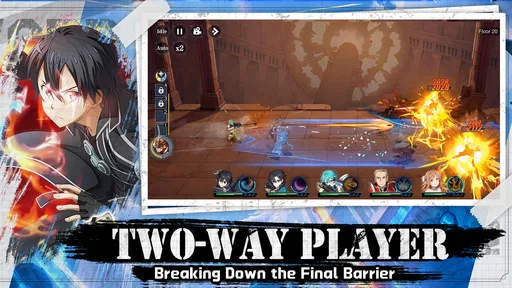
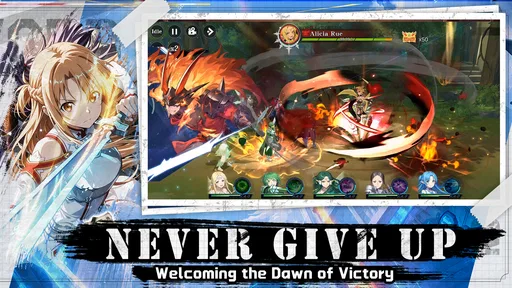
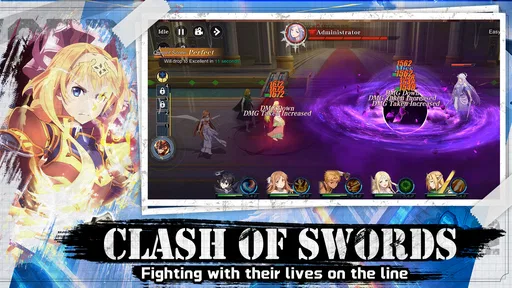
 Analysis by AppCompare
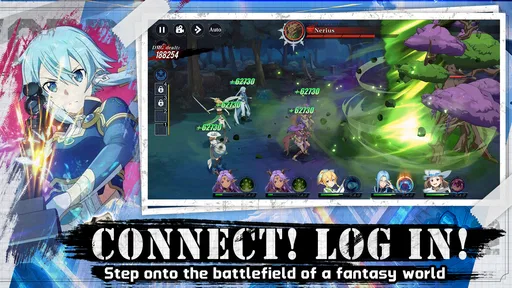
Black Swordsman:Dual Blades is a free role-playing game from FunGameHub that caught my attention because it presents itself as a compact fantasy adventure built around a swordsman, dangerous realms, and the pressure of making the right choices in battle. I spent time with it as the kind of game I would pick up in short sessions, then return to when I wanted something more focused than a large open-world RPG. Its central appeal is easy to understand: draw your blade, strengthen your character, and keep pushing against darkness.
The game has a 4.8 average from around two thousand ratings and has passed ten thousand installs, which gives it a promising first impression for a relatively focused mobile RPG. It is free to start, although optional purchases range from $0.99 to $99.99 per item. That combination matters. You can try the core experience without paying, but anyone who enjoys long progression systems should approach the purchase layer carefully rather than treating every upgrade as necessary.
I would describe the experience as a straightforward fantasy combat game rather than a sprawling role-playing epic. That is not a criticism by itself. The smaller scope can make it easier to understand what I am doing, why a fight went badly, and what I should change next. At the same time, players expecting a huge story, a deep social world, or the broad freedom of a major console-style RPG may find the design more limited.
Where the real decisions begin
I find that a hard encounter becomes more useful when I decide what I want to learn before entering it. That could mean checking whether a change improves survival or whether a more direct approach ends the fight sooner; either way, I can judge the result instead of relying on a vague impression. Next, it helps to consider how much a setback costs and when taking a risk is worth it.
Choosing a rhythm instead of rushing every fight
The most useful way to approach Black Swordsman:Dual Blades is to treat each encounter as a short planning problem. The fantasy theme encourages an aggressive mindset, but charging forward without considering the situation can turn a promising run into a frustrating one. I found it more satisfying when I treated progression as a sequence of small decisions: when to improve the character, when to keep testing a difficult area, and when to step back and build strength before trying again.
That mindset is especially useful for people who usually play on a phone during breaks. A quick session can still have a purpose. Instead of opening the game and wandering without a plan, I can decide that the next session is for improving my setup, learning where my current weakness lies, or testing whether a recent upgrade actually changes the result. This makes the game feel less like empty repetition and more like a series of manageable experiments.
The important decision is not simply whether to attack; it is whether the next attempt is likely to teach me something. If I keep repeating the same approach after a defeat, the game becomes a grind. If I change one part of my preparation at a time, a loss becomes useful information. That distinction is where the role-playing structure earns its place.
Worth Reading Before You Choose

EA SPORTS FC Mobile 26 Is a Bigger Football Game, but It Takes Time

Flipboard Shows What News Apps Must Do Beyond the Feed

Switching to Android Auto Means Rethinking Your Driving Routine

Google Calendar Makes a Crowded Week Easier to Manage

Ludo King Makes the Most of the Minutes Between Plans

Baby Panda World Brings Quick Play to Modern Phones, but Its Game Library Feels Busy
Planning around the character you actually have
One mistake I would warn new players against is planning around an idealized version of the swordsman. It is tempting to imagine the strongest possible build immediately, but early progress is usually more reliable when I work with the tools already available. I focus first on the upgrades that solve the problem I am facing now, rather than spending resources simply because an option looks powerful in isolation.
For example, if a fight ends with me taking too much damage before I can finish it, I should not automatically chase more attack power. A more durable approach may let me survive long enough to make better decisions. If survival is already comfortable but enemies take too long to defeat, then offensive improvement becomes more valuable. This sounds basic, yet it prevents a common mobile-RPG habit: spending resources in several directions and ending up with a character who is slightly better at everything but excellent at nothing.
I also recommend keeping a simple mental note of what caused each defeat. Was I overwhelmed immediately, or did I lose after a long exchange? Did I fail because my character lacked strength, or because I entered the encounter without enough preparation? Those questions create a practical decision tree and reduce the temptation to blame every setback on luck.
How the free entry point affects choices
Because the game is free, it is easy to install, test, and decide whether the combat rhythm suits you before spending anything. That is a genuine advantage. I would use the early experience to judge whether the basic loop remains enjoyable without purchases. If the answer is yes, optional spending can be treated as convenience or personal support rather than an admission fee.
The trade-off is that purchase options can influence how players think about progress. The listed range reaches from small impulse purchases to much larger individual items, so I would set a personal limit before browsing them. A good rule is to pay only for something that improves a part of the game I already enjoy, not for a shortcut meant to repair frustration after a loss.
This is also why I would not recommend the game to someone who dislikes any form of optional spending in progression-focused mobile games. Even when purchases are not required for a player’s chosen experience, their presence can change the feeling of comparison. Players who prefer a single upfront price and a fully predictable progression path may be happier with a premium RPG instead.
Risk, reward, and learning from setbacks
A failed attempt is only valuable if I can use it to make a better next choice. I try to separate losses caused by a clear weakness from those that simply come with testing a difficult challenge, then spend effort where it can change the outcome. That balance matters most when progress feels slow, because it helps me tell a productive challenge from repetition that is no longer teaching me anything.
Why cautious play is not always the best play
A completely defensive approach sounds safe, but it can create its own problems. If I spend too long trying to avoid every risk, I may fail to make meaningful progress. In a game built around a swordsman and the idea of guarding the realms, the satisfying moments come from committing to an attempt after judging the danger, not from refusing every uncertain fight.
I like to divide attempts into two types. A progress attempt is one where I believe my preparation is good enough to move forward. A learning attempt is one where I deliberately test a difficult situation to discover what is missing. Keeping those purposes separate helps manage disappointment. Losing during a learning attempt is acceptable if I come away with a clearer idea of what to change.
This approach is particularly helpful when playing late at night or between other tasks. I can decide that I am only testing a strategy rather than demanding a win. That small change in expectation makes the game less stressful and helps me notice patterns that would otherwise disappear inside a quick restart.
Managing the cost of a failed attempt
Every role-playing game asks the player to invest something before seeing a result: time, attention, resources, or patience. Black Swordsman:Dual Blades works best when I manage that investment deliberately. I avoid using valuable improvements immediately before an experiment unless I understand what they are supposed to accomplish. Otherwise, a failed attempt teaches me very little because too many variables changed at once.
A better workflow is to make one meaningful adjustment, test it, and then decide whether the result justifies another step. This is one of the more useful habits for a game with a progression loop. It protects resources and gives the player a clearer sense of cause and effect. It also makes the game feel more strategic without requiring complicated spreadsheets or outside guides.
There is a downside to this method: it can feel slower than simply selecting every available improvement. Players who want constant power spikes may find the measured approach too restrained. I think the choice depends on personality. If you enjoy understanding why a build works, deliberate testing adds depth. If you mainly want a rapid stream of stronger numbers, the slower planning process may feel like unnecessary work.
When to stop pushing
One practical question new players often have is whether they should keep trying a difficult challenge or return to earlier content. My answer is to stop pushing when the same weakness appears repeatedly and I have no new response to it. Continuing after that point usually turns the session into frustration rather than progress.
Returning to easier content is not wasted time if it gives me a chance to improve preparation, collect useful progress, or practice a part of the combat rhythm. I would rather spend a short session strengthening a clear weakness than spend the same time repeating a fight with no change in approach. This is also a good way to keep the game suitable for casual play: each session can end with a concrete next step instead of an unresolved wall.
Adapting instead of following one fixed plan
A plan that works in one situation can become a liability if I keep applying it without checking the result. I get more out of progression when I adjust one decision at a time and pay attention to what the change actually solves, rather than rebuilding around an imagined ideal. The next question is whether that habit of gradual refinement can remain engaging after the early challenges pass.
Why the first successful setup may not stay successful
Early success can create a trap. Once I discover a comfortable way to handle ordinary encounters, I may assume it will remain effective everywhere. Role-playing games often punish that assumption, and Black Swordsman:Dual Blades is more enjoyable when I remain willing to adjust rather than treating one setup as permanent.
I would pay attention to the difference between a build that wins comfortably and one that wins barely. The second may be hiding a problem that becomes obvious in a harder encounter. If I am finishing fights with very little room for error, I treat that as a warning to improve before the game forces the issue. This is more efficient than waiting for a complete failure and then trying to rebuild under pressure.
Adaptation does not need to mean changing everything. In fact, changing too much makes it difficult to understand what helped. I prefer a small adjustment followed by a direct comparison. Did I survive longer? Did the fight become quicker? Did the new choice solve the original problem while creating another one? Those questions turn progression into a practical feedback loop.
A useful session-to-session routine
My preferred routine is simple. I begin by identifying one current obstacle, make one preparation change, test it in a familiar situation, and then take it into a more demanding encounter if the result looks promising. This gives each session a clear shape and avoids random upgrading.
The routine is also useful for players with limited time. Someone commuting, waiting for an appointment, or relaxing after work does not need to remember a complicated long-term plan. A single goal is enough: improve survival, shorten a battle, or confirm whether a new direction is worthwhile. When I return later, I know what I was testing and can continue from there.
A less obvious benefit is that this method helps reveal whether I actually enjoy the game’s core loop. If every session feels like maintenance and none of the experiments are satisfying, the problem may not be the current challenge. It may be that this particular style of RPG is not a good match. Recognizing that early is better than spending money to force enjoyment.
Who benefits most from this flexibility
The game is a good fit for players who like fantasy combat with a clear central character and gradual improvement. It suits people who enjoy making small adjustments, repeating a challenge with a better plan, and seeing whether preparation changes the outcome. The Everyone 10+ content rating also makes it more approachable for younger players who want a darker fantasy setting without moving into a mature-only category, though parents should still consider the optional purchase system.
I would be more cautious recommending it to players who need a large cast, extensive dialogue, or a highly reactive story. The available identity is centered on the Black Swordsman and the fight against darkness, so anyone searching for a broad role-playing sandbox may prefer a game built around exploration and narrative choice. Likewise, players who dislike repeated attempts or gradual character development may find the central loop too narrow.
Depth over time and the question of longevity
For me, a focused RPG earns a longer place on my phone when returning to it still offers a meaningful decision, not merely another task to clear. The useful test is whether I enjoy refining my approach even when the novelty of the swordsman fantasy has settled. That makes longevity a personal fit: the following section considers what kind of depth can sustain that interest, and where a more expansive alternative may suit better.
What keeps a compact RPG interesting
For me, longevity in a mobile role-playing game does not come only from having more content. It comes from whether the player’s decisions remain meaningful after the first few sessions. Black Swordsman:Dual Blades has a better chance of holding attention when I approach it as a game of refinement: improving my understanding, making cleaner choices, and using progression to address specific obstacles.
That kind of depth is different from the endless variety offered by a large premium RPG. Here, the appeal is more focused. I am not expecting a huge world to discover every time I open the app. I am expecting a familiar framework in which the next attempt can feel better planned than the last. This makes it easy to return to, but it also means players who need constant novelty may lose interest.
The game’s current version is 4.8, and it requires Android 8.0 or later. Those details make it reasonably accessible for many Android users, although anyone with an older device should check compatibility before planning around it. I also appreciate that the version number is easy to identify when troubleshooting or comparing the installed build with a later update.
Balancing time, attention, and spending
A realistic everyday scenario is a player opening the game for ten minutes after dinner. In that situation, I would not begin with the hardest available objective. I would choose one focused task, make a small improvement, and run a challenge that can tell me whether the change worked. That approach gives the session a beginning, middle, and end without requiring a long uninterrupted block of time.
For a longer weekend session, I would use the extra time to compare approaches rather than simply repeating the same activity. The point is not to manufacture complexity; it is to make sure the game is still rewarding my attention. If I am only tapping through familiar progress with no decisions left, it may be time to pause rather than spend more.
The purchase range deserves the same discipline. A small item may feel harmless, while a larger one can represent a significant commitment. I would avoid buying during a moment of frustration and wait until I have played enough to know whether the benefit addresses a lasting preference. This is especially important for younger users, so parental controls and a clear spending agreement are sensible precautions.
How it compares with other mobile RPG choices
Compared with a story-heavy RPG, this game appears better suited to players who want the sword-fighting theme and progression decisions to remain central. A narrative-focused alternative may offer richer character relationships and more elaborate world-building, but it can also demand more reading and longer sessions. Black Swordsman:Dual Blades is the more practical choice when I want to get into a battle-oriented loop quickly.
Compared with a competitive multiplayer RPG, its appeal is less about proving myself against other players and more about improving my own preparation. That can make it a calmer option for someone who does not want rankings, team coordination, or the pressure of matching human opponents. On the other hand, anyone who thrives on direct competition may find a solo-focused progression loop less exciting.
Compared with a premium RPG with one fixed purchase, the free entry point is more convenient but the optional purchase structure is less predictable. I would choose this game when I want to sample the experience first and decide gradually. I would choose the premium alternative when I want a clearly defined cost and a progression path that is not connected to optional items.
My strategy verdict
After spending time with Black Swordsman:Dual Blades, I see it as a focused mobile RPG for players who enjoy turning setbacks into better preparation. Its strongest quality is not the broad promise of darkness and heroic swordplay; it is the way a careful player can create a personal rhythm of testing, adapting, and pushing forward. The game rewards attention more than blind repetition.
FunGameHub has made something approachable enough to try for free while leaving room for players to decide how seriously they want to invest. The 4.8 average and around two thousand ratings suggest that its core presentation is connecting with a solid group of players, but I would still judge it by your preferred style rather than by the number alone. A strong rating cannot make a focused progression game feel like a full-scale adventure if that is what you want.
My recommendation is to download it if you enjoy short fantasy-RPG sessions, measured upgrades, and the satisfaction of solving a difficult encounter through better choices. Start without spending, establish a personal limit for optional purchases, and change one part of your approach at a time. That is the best way to discover whether the game’s depth is enough for you.
I would skip it if your priority is a large story, a broad exploration system, a fixed one-time price, or constant competitive action. Those players will likely find better value in a different kind of role-playing game. For everyone else, Black Swordsman:Dual Blades is worth trying as a compact sword-focused adventure whose real reward comes from planning the next attempt instead of simply making it.
Its free price makes that decision easy, and the Everyone 10+ rating keeps the entry point relatively accessible. Just remember that the best experience comes from treating progression as a choice rather than a race. When I play it that way, each battle has a reason, each setback gives me a clue, and the journey through the darkness feels earned rather than automatic.
Pros
- Fast-paced dual-blade combat feels responsive and satisfying.
- Dark fantasy visuals create a distinctive atmosphere.
- Short battles make it easy to play during quick breaks.
- Character progression gives you reasons to keep upgrading.
- Multiple abilities add variety to combat encounters.
Cons
- Some stages can feel repetitive after extended play.
- Progress may slow noticeably without frequent upgrades.
- The dark visuals can make certain effects hard to distinguish.
- The interface may feel crowded on smaller phone screens.
- Online features can be affected by connection stability.
FAQs for Black Swordsman:Dual Blades
What is Black Swordsman: Dual Blades about?
Black Swordsman: Dual Blades is a mobile action game centered on fast-paced sword combat, character progression, and battles against dangerous enemies. Players typically control a dual-wielding swordsman, complete missions, improve equipment, and unlock stronger abilities. The appeal comes from combining stylish attacks with RPG-style upgrades, although the overall experience may vary depending on the device, region, and version available.
Is Black Swordsman: Dual Blades free to download and play?
The game is generally presented as a free-to-download mobile title, allowing players to begin without paying an upfront purchase price. However, free games commonly include optional in-app purchases for items such as currency, equipment, upgrades, or other progression benefits. Before downloading, check the store listing carefully for current pricing, purchase options, age guidance, and whether an internet connection is required.
Does Black Swordsman: Dual Blades require an internet connection?
You should expect that at least some features of Black Swordsman: Dual Blades may require an active internet connection. Online access can be necessary for account synchronization, advertisements, events, updates, purchases, or server-based gameplay. Offline availability may be limited or unavailable, so players who want to play while traveling should verify the latest store description and test the game after installation.
Is Black Swordsman: Dual Blades suitable for children?
The game may not be ideal for very young children because its main focus is sword fighting, combat, and fantasy violence. It may also contain advertisements, online features, or optional purchases, depending on the platform and region. Parents should review the official age rating, privacy information, and payment settings before allowing children to play, especially on a shared device.
What devices are compatible with Black Swordsman: Dual Blades?
Compatibility depends on the operating system, hardware requirements, and the version distributed in your region. A newer Android or iOS device with sufficient free storage, updated system software, and a stable connection should provide the best experience. Older phones may experience longer loading times, reduced performance, or compatibility problems, so check the official store listing before downloading.


